


Quick Answer
Choosing an aquaculture aerator for a fish or shrimp farm requires more than matching a motor to pond size. Buyers need to assess species, biomass, water depth, pond geometry, climate, water exchange, power reliability, maintenance capacity, and the oxygen-management strategy. Paddle wheel aerators, impeller aerators, surge aerators, air-turbine systems, and other designs create different patterns of water movement. Suitability depends on the exact model and conditions. A sound procurement process starts with farm data, compares documented performance and lifetime cost, and ends with commissioning checks and dissolved-oxygen monitoring. This reduces the risk of under-sizing, unnecessary energy expense, and layouts that leave parts of a pond poorly mixed.
Key Takeaways
Base equipment decisions on actual pond conditions and production needs.
Compare model-specific specifications and understand the conditions behind performance claims.
Include energy, maintenance, safety, spare parts, and downtime in the evaluation.
Verify outcomes with monitoring and documented operating procedures.
Introduction
For farm managers and procurement teams evaluating aquaculture aerator for fish and shrimp farms, the central challenge is finding a solution that works under real operating conditions. The right decision requires technical understanding and a clear view of day-to-day farm constraints. Equipment performance varies with water conditions, installation, maintenance, and operating practices, so general claims should be checked against the intended application. This guide explains the questions buyers should ask, the information to collect, and the checks that help turn a purchase into a reliable operating system.
Define production requirements
Write down species, target stocking density, expected harvest biomass, pond area, average depth, and feeding schedule. Include seasonal weather, source-water characteristics, and power reliability. For multiple ponds, classify them by size and production intensity instead of assuming one model fits all. These details help suppliers recommend a configuration for the real environment. If the farm is expanding, evaluate future biomass and operating hours so the purchase does not become unsuitable after one production cycle.
Understand aerator categories
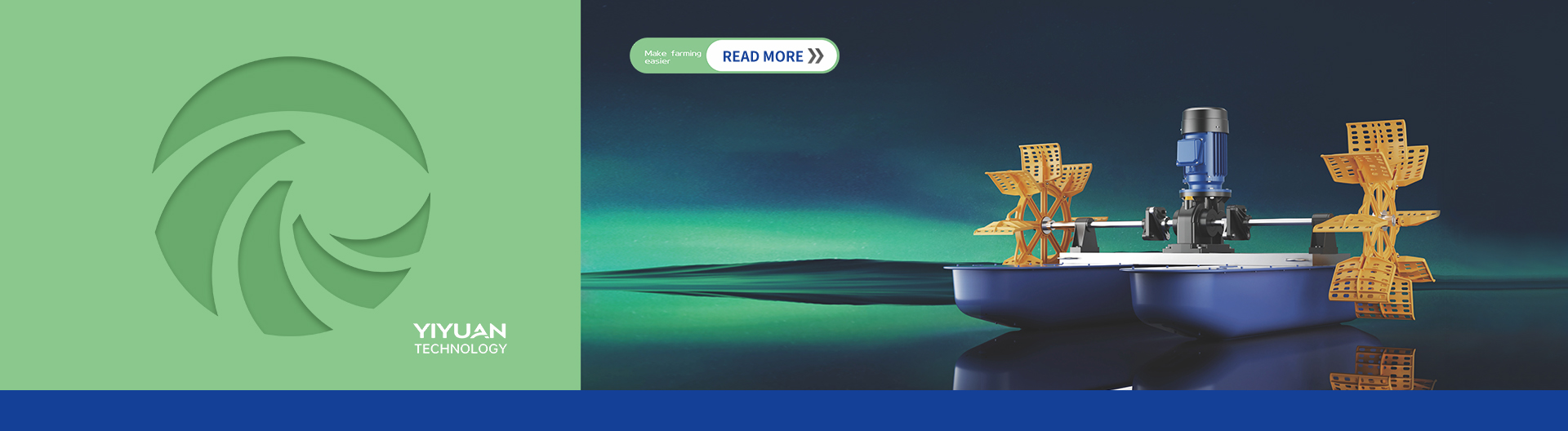
Paddle wheel aerators agitate the surface and create directional circulation. Impeller aerators use rotating components to move and mix water. Surge aerators create water movement through their particular mechanism, while air-turbine and other systems may support different mixing or oxygen-transfer purposes. Product terminology is not fully standardized across suppliers. Request drawings, operating descriptions, rated power, installation requirements, and performance information for the exact model. Choose according to the job the equipment must perform, not its category name alone.
Compare specifications and ownership cost
Request rated power, voltage and frequency, motor protection, materials, dimensions, recommended application, test data, and maintenance intervals. Ask what performance figures measure and under which conditions they were collected. Estimate energy cost using likely operating hours and local tariffs. Add routine maintenance, wear parts, transport, downtime risk, and service availability. A low purchase price may be outweighed by high energy use or long delays for components. Use a consistent comparison table and mark unavailable data clearly.
Plan installation and safety
The layout should support circulation while keeping feeding, netting, harvesting, and routine work practical. Consider inlets, outlets, pond corners, prevailing wind, access paths, and places where solids collect. Follow manufacturer installation instructions and local electrical requirements. Equipment near water needs suitable grounding, protection, cable routing, and safe isolation. Clarify who will commission the unit and what checks are required before operation. The installation plan should also explain how staff can inspect and service equipment safely.
Verify operation after installation
Commissioning is not complete simply because the motor starts. Inspect the frame, floats, guards, cable routing, vibration, and water movement. Measure dissolved oxygen at multiple locations and relevant times, including periods of higher demand. Record baseline readings and repeat them as biomass and seasons change. If the pattern is uneven, review positioning or operating procedures with qualified guidance. Keep a log of equipment hours, energy use, repairs, and oxygen readings to support evidence-based replacement and expansion.
Practical Conclusion
Select a verified model that matches biological demand, pond layout, operating conditions, and service capacity. Procurement should include commissioning, monitoring, and lifecycle-cost review.
Frequently Asked Questions
Which aerator is best for fish farming?
There is no universal best type. Selection depends on species, biomass, pond design, oxygen demand, water movement, and model-specific performance.
Can one model serve fish and shrimp ponds?
Possibly, but suitability depends on production conditions. Confirm the recommended use and required performance for each pond.
What information should I send to a supplier?
Provide pond dimensions and depth, species, stocking density, expected biomass, water conditions, power supply, climate, and operating schedule.
Is power rating enough to compare models?
No. Compare performance data, configuration, materials, maintenance, operating cost, and spare-parts support as well.
How do I estimate running costs?
Use rated power, expected operating hours, and local electricity rates, then add maintenance, replacement parts, and downtime.
Do aerators need backup power?
Where oxygen loss could cause major production risk, assess backup power and contingency options as part of risk management.
How can I verify performance?
Inspect safety and mechanical operation, observe circulation, and measure oxygen at representative points and times.
Document the operating baseline
Record conditions before making a major equipment or management change. Useful baseline information may include oxygen readings at selected locations, operating hours, electricity use, maintenance frequency, feed routines, and observed circulation. After the change, repeat the measurements under reasonably comparable conditions. Avoid attributing every improvement or decline to one machine because weather, biomass, water exchange, and feed input can also change. A clear record supports better decisions about repositioning, adding equipment, or revising operating schedules. Where production risk is significant, review the findings with a qualified aquaculture adviser.
Post time: Oct-28-2026